Frequently Asked Questions
What does a branding agency do?
A branding agency develops your visual and verbal identity — logo, color palette, typography, messaging, and brand guidelines — creating a consistent foundation that everything else, from your website to your social content, gets built on.
Why is branding important?
Branding is what makes a business recognizable and trustworthy at a glance — consistent, professional branding signals credibility before a customer even reads your first sentence, while inconsistent or amateur branding can undermine trust regardless of how good the actual product or service is.
Why branding?
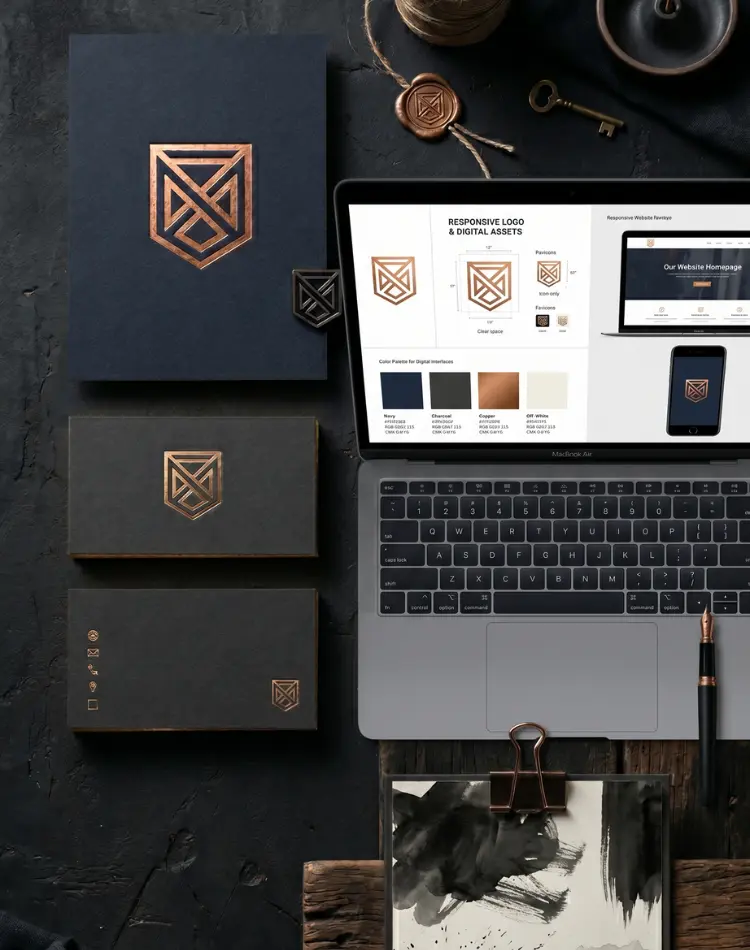
A logo is one piece of a brand identity — a full brand identity includes the logo plus color palette, typography, imagery style, tone of voice, and guidelines for how all of it works together consistently across every touchpoint.
What makes good brand identity design?
Good brand identity design is distinctive, appropriate to the business and its audience, and functional across every application — a logo that looks great on a business card but breaks down on a website or social profile isn't actually doing its job.
How does logo design impact branding?
A logo is often the first and most repeated touchpoint of a brand, so it needs to work at every size and application — from a favicon to signage — while still feeling consistent with the rest of the brand identity.
What are core branding elements?
Core brand identity elements typically include a logo, color palette, typography, imagery style, and a defined tone of voice — together, these create a consistent look and feel across everything from your website to your packaging.
How can businesses define their brand?
Defining a brand starts with clarifying what makes the business different, who it actually serves, and how it wants to be perceived — that foundation shapes every visual and messaging decision that follows.
What services does a branding agency offer?
We offer brand identity design, logo design, brand strategy, and visual systems that carry across your website, social media, and print materials — building a consistent foundation your other marketing can build on.
Why invest in professional branding?
A DIY logo or color scheme can look inconsistent or unprofessional across different applications — a professional brand identity is built to work cohesively everywhere, from your website to a printed menu, in a way that's difficult to achieve without design expertise.
How does branding influence customer perception?
Consistent, professional branding signals credibility and attention to detail before a customer ever interacts with your product or service — inconsistent branding, on the other hand, can create doubt even when the underlying business is solid.
What is involved in brand strategy?
Brand strategy involves defining your positioning, target audience, and what makes you different from competitors — that foundation informs every subsequent design decision, from color choices to messaging tone.
What are the benefits of consistent branding?
Consistent branding across your website, social media, and physical materials builds recognition faster and makes every other marketing effort more effective, since customers see the same identity reinforced everywhere rather than a disjointed mix of styles.
How do color palettes affect branding?
Color carries psychological and cultural associations that influence how a brand is perceived — the right palette should reflect your brand's personality and stand out appropriately within your specific industry.
What role does typography play in branding?
Typography affects how professional, modern, or approachable a brand feels — the right typefaces reinforce your brand's personality just as much as color or imagery does, and inconsistent typography can undermine an otherwise strong identity.
How are brand guidelines created?
Brand guidelines document how your logo, colors, typography, and imagery should be used — created so anyone producing content for your brand, whether internal or an outside vendor, keeps everything visually consistent.
What is the brand identity design process?
The process typically starts with a discovery phase to understand your business and goals, moves through concept development and design, and finishes with refinement and delivery of final brand files and guidelines.
How much does brand identity cost?
Cost varies based on scope — see our pricing tiers for specific details, since a logo-only project is priced differently than a full brand identity system with guidelines and collateral.
What are pricing tiers for branding services?
We offer multiple pricing tiers based on scope, from more focused logo and identity packages up to comprehensive brand systems with full guidelines — see our services page for specific tier details.
How to choose a branding agency?
Look for a portfolio that shows range and quality, ask about their process for understanding your business before jumping into design, and make sure their pricing and timeline are clear upfront.
What industries benefit from branding?
Any industry where trust and recognition matter benefits from strong branding, but it's especially valuable in competitive local markets like restaurants, real estate, and hospitality — where standing out visually can directly affect whether someone chooses you over a similar competitor.
How to make marketing more effective?
Strong branding gives every other marketing effort — ads, social content, your website — a consistent foundation to build on, which makes each individual effort more effective than if it were working from an inconsistent or unclear identity.
What makes businesses stand out?
A distinctive, well-executed brand identity — rather than a generic look shared with competitors — combined with consistent application across every touchpoint, is what makes a business memorable in a crowded market.
What is a brand system?
A brand system is the complete set of visual and messaging elements — logo, color, typography, imagery, tone — organized with clear guidelines so the brand stays consistent no matter who's producing content for it.
How to create a visual presence?
A strong visual presence comes from applying your brand identity consistently across every platform — website, social media, physical materials — so your business looks and feels the same wherever someone encounters it.
What are collateral materials in branding?
Collateral materials are physical and digital brand applications beyond the core identity — think business cards, menus, signage, or social templates — all designed to stay consistent with your broader brand system.
What is a discovery call for branding?
The discovery call is where we learn about your business, goals, and what you want your brand to communicate — that understanding shapes the creative direction before any design work begins.
What happens after final file delivery?
You receive your final brand files and guidelines, and we're available for questions as you start applying the new identity across your website, social media, and other materials.
How to ensure professional brand presentation?
Following your brand guidelines consistently — using the correct colors, typography, and logo applications every time — across every platform and material is what keeps a brand looking professional and cohesive rather than inconsistent.
What are common branding questions?
Yes — the design process typically includes rounds of feedback and revision before finalizing your brand identity, since getting it right matters more than rushing to a first draft.
How to make informed branding decisions?
If your current branding looks outdated, feels inconsistent across platforms, or no longer reflects where your business actually is today, that's usually a sign it's worth considering a refresh or full rebrand.