
Great food fills plates. It does not fill tables on its own. Most of the guests who could love your restaurant have never heard of it, and the ones who have are deciding between you and three other places while standing in a parking lot looking at their phone. Restaurant marketing is the work of winning that moment, over and over, across every place a hungry person might find you.
This guide covers the whole system: your Google Business Profile, reviews, listings and menus, social media, paid advertising, your website, and the photos and video that make people hungry. It is written for owners and operators, whether you run one dining room or ten. None of it requires an agency. All of it works better when the pieces are coordinated instead of handled by different people who never talk to each other.
Essential Strategies for Driving Restaurant Growth
Most restaurant discovery now happens on phones, through search, maps, and short-form video, before a guest ever sees your storefront.
Your Google Business Profile and your reviews do more for local visibility than any single ad campaign.
Inaccurate hours, stale menus, and unanswered reviews quietly send guests to competitors every single day.
Measure covers, orders, and revenue. Follower counts and impressions do not pay rent.
Most restaurant discovery now happens on phones, through search, maps, and short-form video, before a guest ever sees your storefront.
Your Google Business Profile and your reviews do more for local visibility than any single ad campaign.
Inaccurate hours, stale menus, and unanswered reviews quietly send guests to competitors every single day.
Measure covers, orders, and revenue. Follower counts and impressions do not pay rent.
Start where guests actually find you: your Google Business Profile
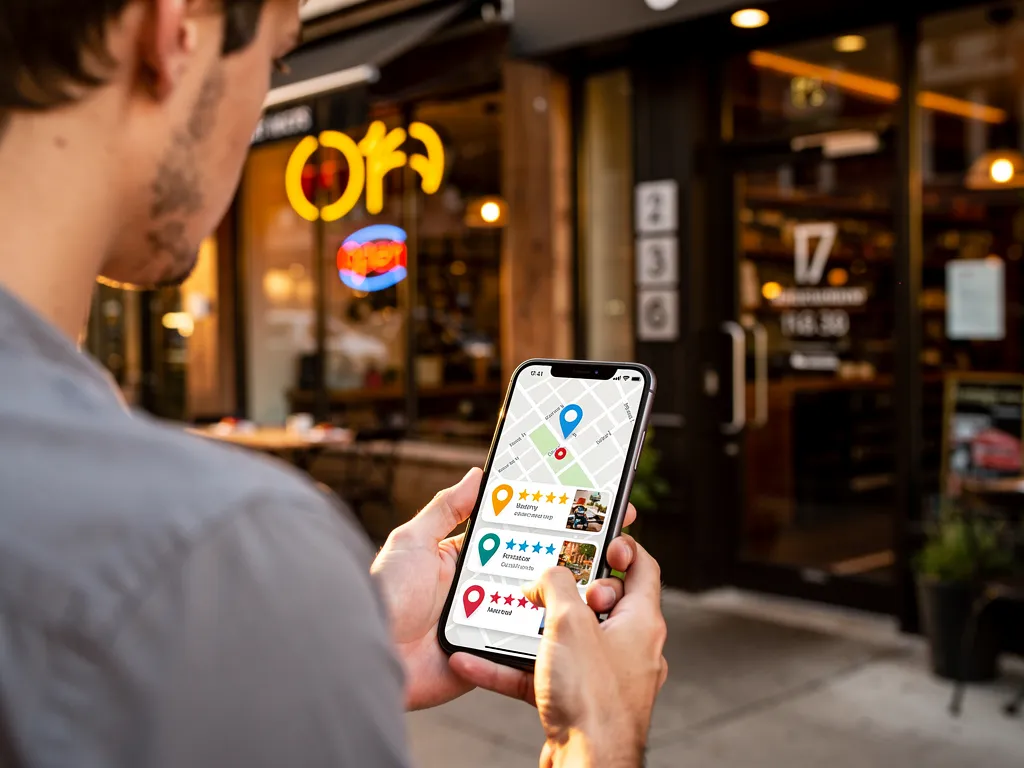
When someone searches for a place to eat nearby, Google shows them a map with three listings before it shows them a single website. Getting into that map pack, and looking good once you are there, is the highest-leverage work in restaurant marketing.
The fundamentals are unglamorous and they matter more than anything else on this list. Your name, address, and phone number must be exactly right. Your hours must be current, including holiday hours, because nothing loses a guest faster than driving to a closed restaurant the internet said was open. Your primary category should be as specific as Google allows. A taqueria categorized as “Mexican restaurant” beats one categorized as “restaurant.”
Then make the profile worth looking at. Upload real photos of your food, your dining room, and your patio, and keep adding new ones. Profiles with fresh photos get more clicks and more direction requests than profiles with a logo and two dark interior shots from 2019. Use Google posts for events, specials, and seasonal menus. Answer the questions people leave. Every signal tells Google, and every guest, that this is a live business that cares.
Reviews are the deciding vote
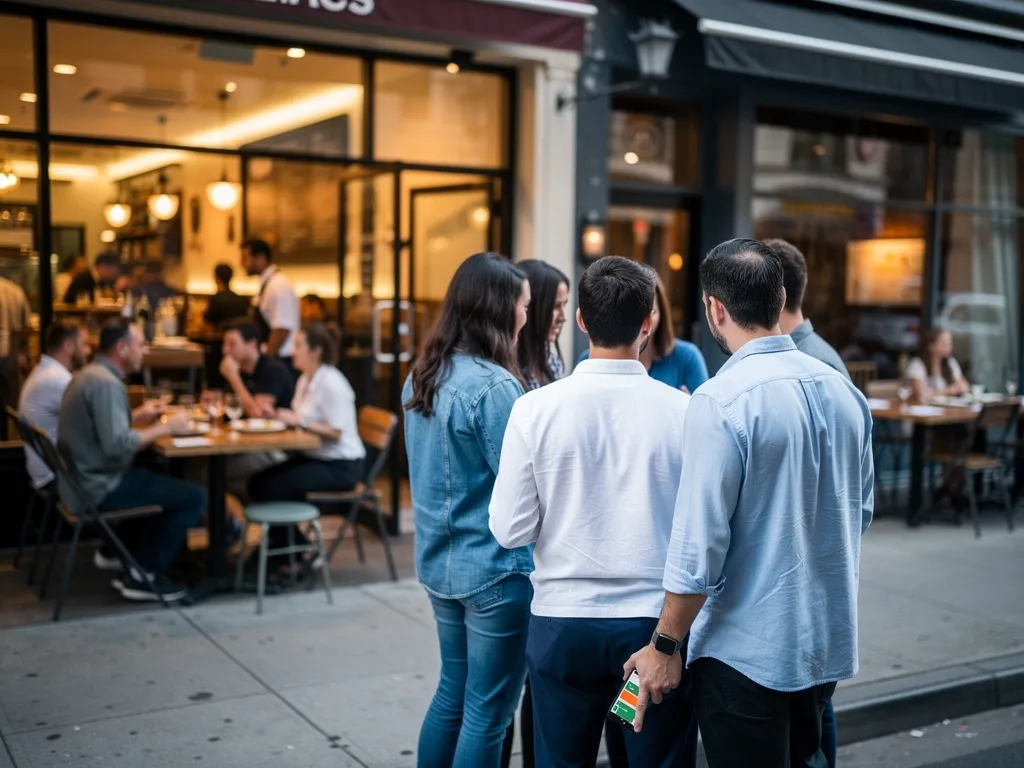
Before choosing a new restaurant, almost everyone reads reviews. Your rating and your recent reviews function as a public referendum on your business, running around the clock, whether you participate or not. Participating is the entire strategy.
Respond to reviews. All of them, or as close to all as you can manage. A thoughtful response to a bad review often does more good than the review did harm, because prospective guests read your response and see how you treat people when something goes wrong. A short, warm response to a good review tells regulars they were noticed. Silence tells everyone the owner stopped looking.
Monitor more than Google. Yelp, TripAdvisor, and Facebook still shape decisions, and for restaurants that do delivery, the ratings on DoorDash, Grubhub, and Uber Eats decide whether you appear at the top of the app or three screens down. Delivery reviews are reviews. Treat them that way.
Never buy reviews and never gate them by only asking happy customers through a filter. Both violate platform rules and both are the kind of shortcut that eventually shows. The honest version works: ask guests who had a great time, make it easy with a QR code or a follow-up message, and earn volume over months.
Keep your listings and menus accurate everywhere
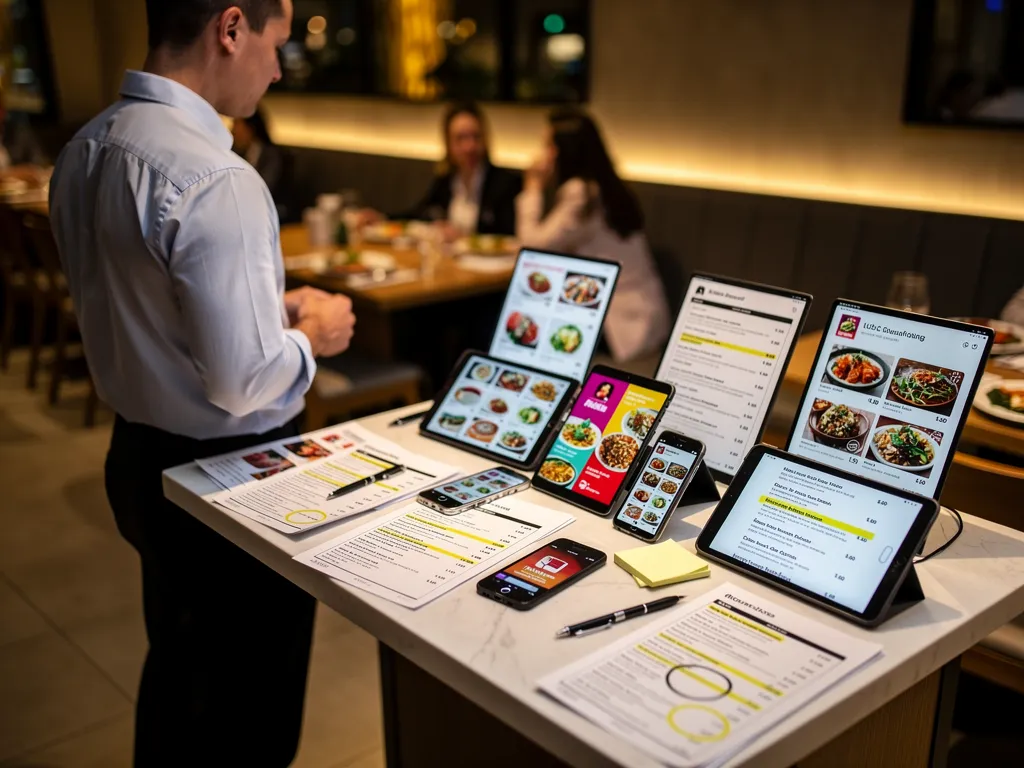
Your restaurant is listed in more places than you think. Mapping apps, voice assistants, directories, reservation platforms, delivery apps, and dozens of data services all carry a version of your name, hours, and menu. When those versions disagree, guests get wrong information and search engines lose confidence in all of it.
Menus are the sharpest edge of this problem. Prices change. Dishes come and go. A guest who orders from an outdated menu on a delivery app and gets a “that item is no longer available” message blames the restaurant, not the app. If you run multiple locations, multiply the problem by every listing at every location.
This is one of the least exciting jobs in restaurant marketing and one of the most valuable. Whether you manage it by hand with a spreadsheet and a monthly calendar, or use a platform that pushes updates from your POS to every listing at once, the standard is the same: what guests see online matches what happens in the building, everywhere, all the time.
Social media: consistency beats virality
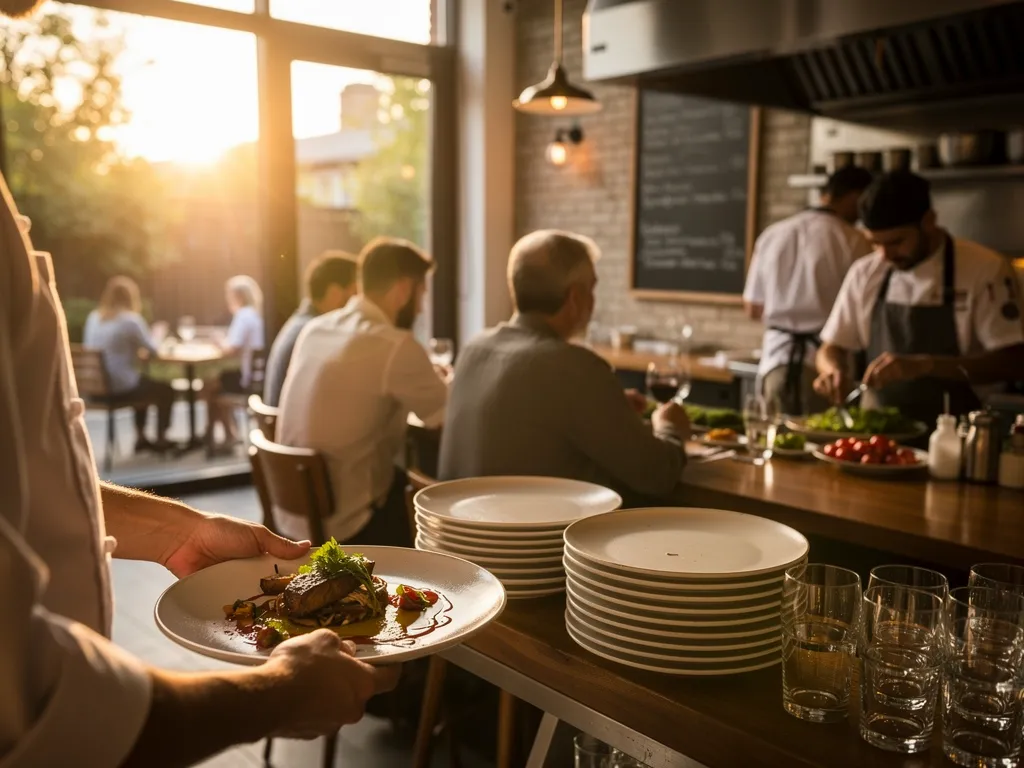
Restaurants are the most naturally photogenic businesses on the internet, and short-form video has made food content more powerful than ever. But the restaurants that win on social media are rarely the ones chasing a viral moment. They are the ones that show up consistently, in a recognizable voice, week after week.
Post what only you can post. The dish coming out of the kitchen. The regulars at the bar. The team prepping before service. The patio at golden hour. Specials, events, and behind-the-scenes moments beat stock photography and inspirational quotes every single time, because guests follow restaurants to feel like insiders.
Community management is half the job. Answer comments and messages quickly, because a DM asking about reservations or private events is a lead, not a chore. And keep your posting cadence honest: a schedule you can sustain during your busiest month is worth more than a two-week burst followed by silence.
Paid advertising: reach people at the moment they are deciding
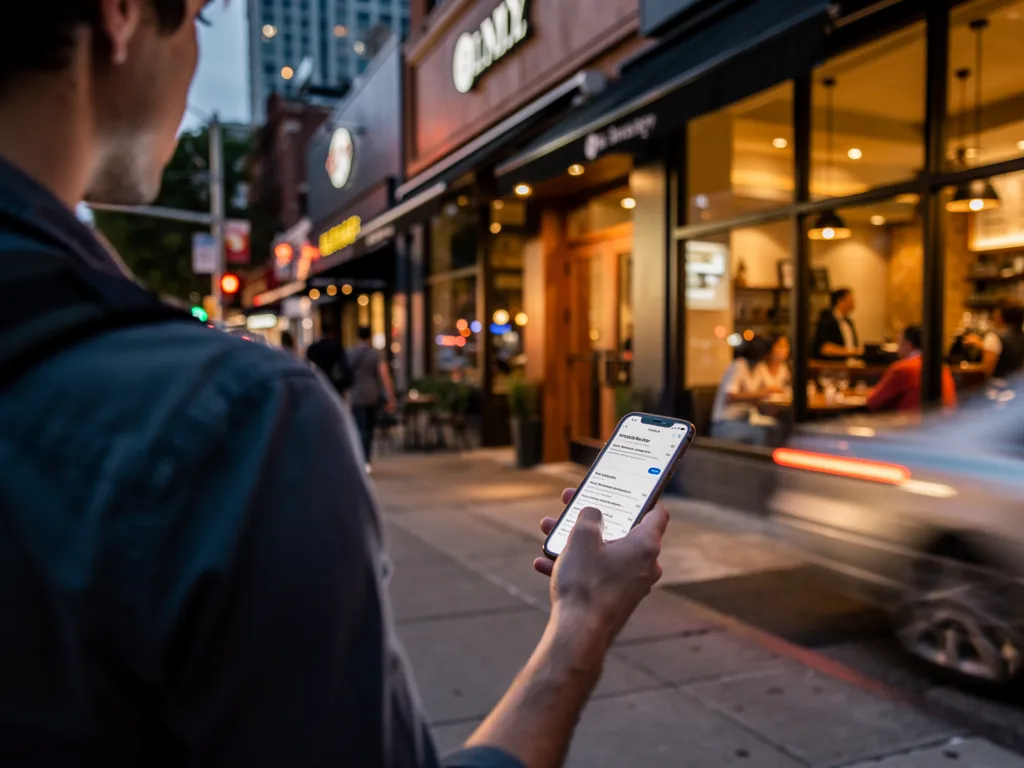
Organic work builds your foundation. Paid advertising is how you reach guests who have never heard of you, and it splits into two jobs.
The first job is capturing demand that already exists. When someone searches for the kind of food you serve in your area, search ads put you in front of them at the exact moment they are deciding where to eat. That intent is why search advertising tends to produce the most directly measurable results of any paid channel for restaurants.
The second job is creating demand. Ads on Instagram, Facebook, and TikTok put your food in front of local people who were not searching for anything but are now thinking about dinner. Strong creative matters more here than clever targeting: a fifteen-second video of a dish being finished will outperform a static logo ad on any budget. Retargeting closes the loop by bringing back people who visited your website or menu and did not book.
Two principles keep paid spend honest. First, your ad budget should be paid directly to the platforms, so you always know exactly what went to media and what went to management. Second, judge campaigns by reservations, orders, and revenue, not by impressions. An ad that reached fifty thousand people and filled no seats did not work.
Programmatic and connected TV: local awareness at scale
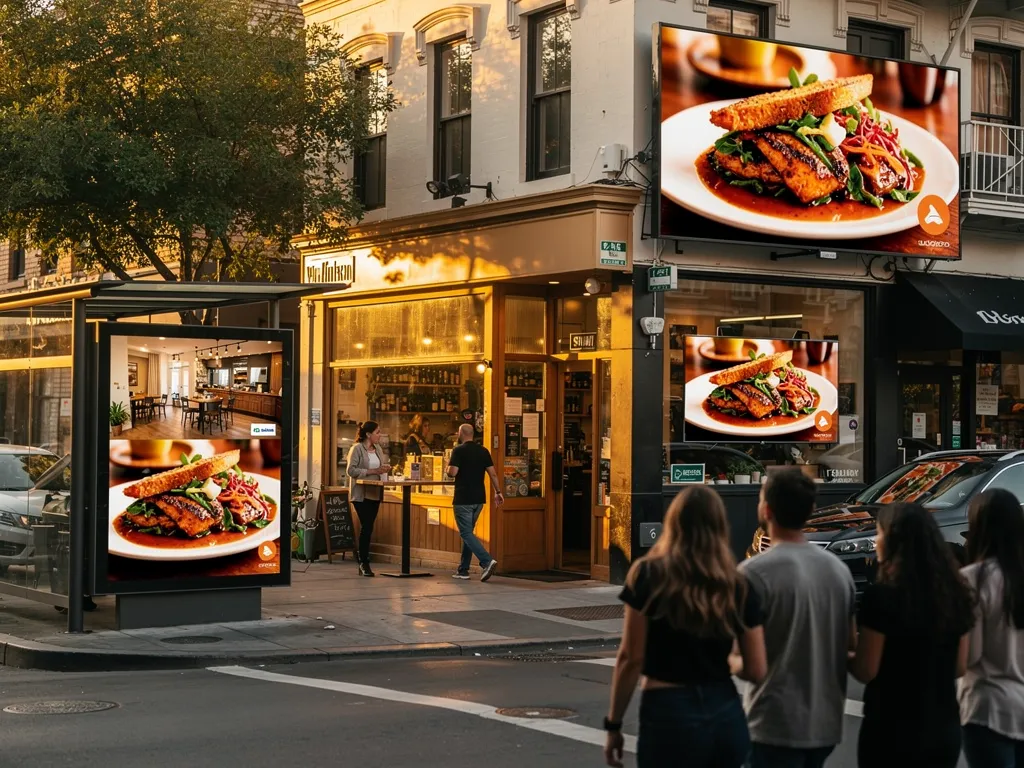
Beyond search and social, programmatic advertising lets restaurants run ads across websites, apps, and streaming TV, with targeting precise enough to be useful locally. You can put a commercial on streaming services in the zip codes around your restaurant, or show mobile ads to people who recently visited a competitor, a stadium, or a convention center down the street.
The measurement is what makes this channel interesting for restaurants rather than just for national brands. Foot traffic attribution can connect ad exposure to actual visits, so you can see whether the people who saw your ad walked through your door. For a single independent restaurant on a small budget this is usually a later-stage channel. For groups with several locations and a real awareness goal, it can do work that social and search cannot.
Your website has one job
A restaurant website exists to turn interest into a visit or an order. Everything on it should serve that job. The menu must be current, readable on a phone, and posted as text rather than a PDF that requires pinching and zooming. Hours, location, parking, and contact information should be findable in seconds. Reservations and online ordering should be one obvious tap away from every page.
Speed matters more than beauty. A slow site loses hungry people, who are the least patient visitors on the internet. And while your website matters less than your Google profile for being discovered, it matters more for being chosen: it is the one place online where you control the entire impression, so make it look and sound like your dining room feels.
Photography and video that make people hungry
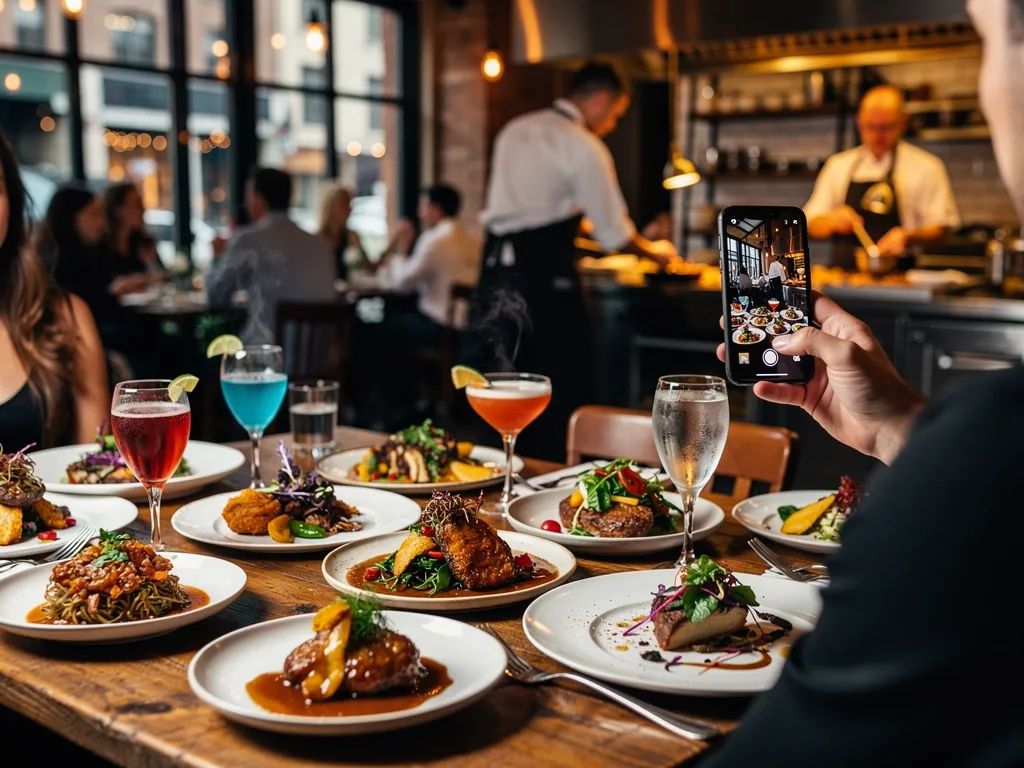
Every channel in this guide runs on visuals. The same dozen great photos and short videos will do work in your Google profile, your social feeds, your ads, your delivery listings, and your website, which makes visual content the most reusable investment in restaurant marketing.
Shoot the food in natural light where you can, close enough to see texture. Shoot the room when it is full and alive, not empty at 3 PM. Shoot short vertical video for social: dishes being plated, drinks being poured, the line on a Friday night.
Aerial video earns its place for restaurants with something to show from above: a waterfront patio, a rooftop bar, a property, a location inside a walkable district. A drone shot that sweeps from the neighborhood down to your front door tells guests where you are and what the experience feels like in a way no ground-level photo can. In the United States, commercial drone services must be flown by an FAA Part 107 certified pilot, so if you hire it out, ask for the certificate.
Measure covers and revenue, not likes
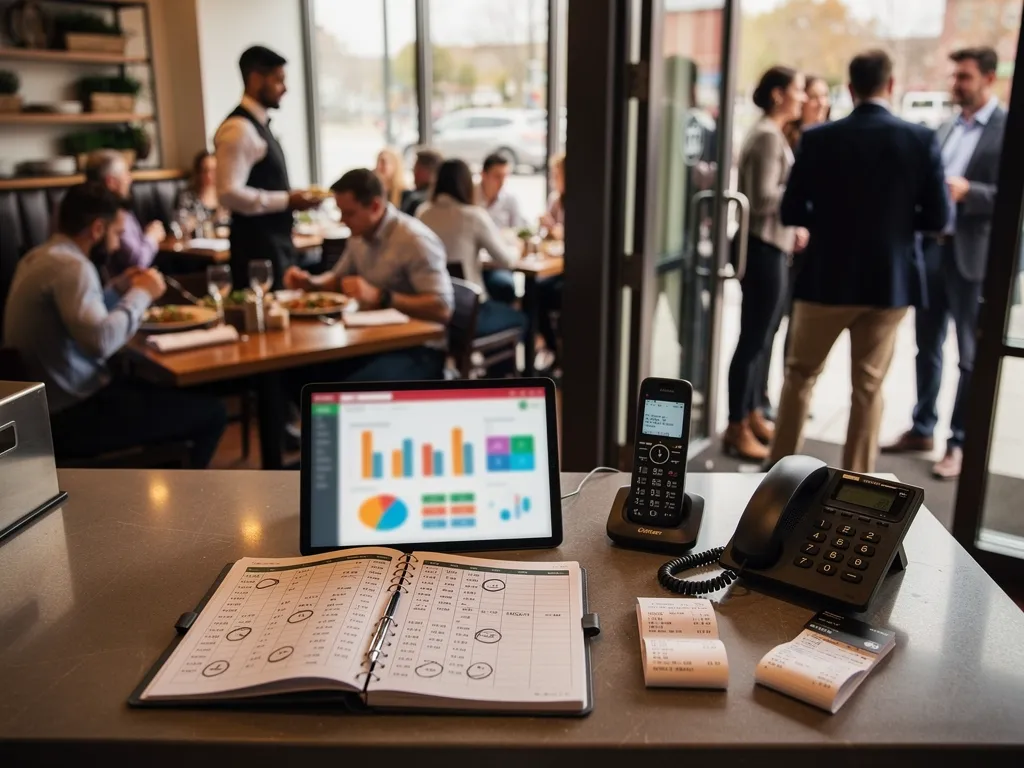
The most common failure in restaurant marketing is not bad creative or the wrong channel. It is measuring the wrong things. Follower counts, impressions, and likes feel good and prove nothing. The questions that matter are simple: Are more people finding you? Are more of them booking or ordering? Is revenue moving?
Instrument what you can. Track calls, direction requests, and reservation clicks from your Google profile. Tag the links in your ads so bookings can be traced to campaigns. Watch delivery order volume against the promotions you run. Review it monthly, kill what is not producing, and put the budget behind what is. Marketing you cannot connect to revenue is a hobby.
The mistakes that stall results
After working with more than fifty brands since 2018, most of them in and around restaurants and hospitality, we see the same patterns stall results again and again.
Template plans built for “restaurants in general” ignore what makes your room different from the one down the street, and guests can smell the difference. Disconnected execution, where the person running ads never talks to the person posting on social or updating the website, produces mixed messages and makes it impossible to tell what is working. Discount dependence trains guests to wait for the coupon instead of coming for the experience. And quitting early, especially on organic search and review volume, wastes the months of compounding you already paid for. Ads can fill seats this weekend. Reputation and search visibility are built over quarters.
Essential Strategies for Driving Restaurant Growth
What is the fastest first step?
Fix your Google Business Profile today: hours, categories, photos, and current menu. It is free, it takes an afternoon, and it improves every search that happens tomorrow.
Do I need an agency to do this?
No. Everything in this guide can be done in-house with discipline and time. An agency earns its fee when coordination is the bottleneck, when the owner is doing marketing at midnight after a full service, or when paid campaigns get large enough that management skill meaningfully changes the return. If you do hire help, insist on two things: ad spend paid directly to the platforms, and reporting built on leads and revenue.
How long until results?
Paid advertising can produce covers within days. Google profile improvements typically show within weeks. Reviews, local search rankings, and content compound over months. A fair plan sets expectations by channel instead of promising one date for everything.
Creative Misfits is a full-service marketing agency in Tampa Bay serving restaurants and hospitality brands across the region and beyond. If you would rather have one coordinated team handle the system in this guide, we should talk.